
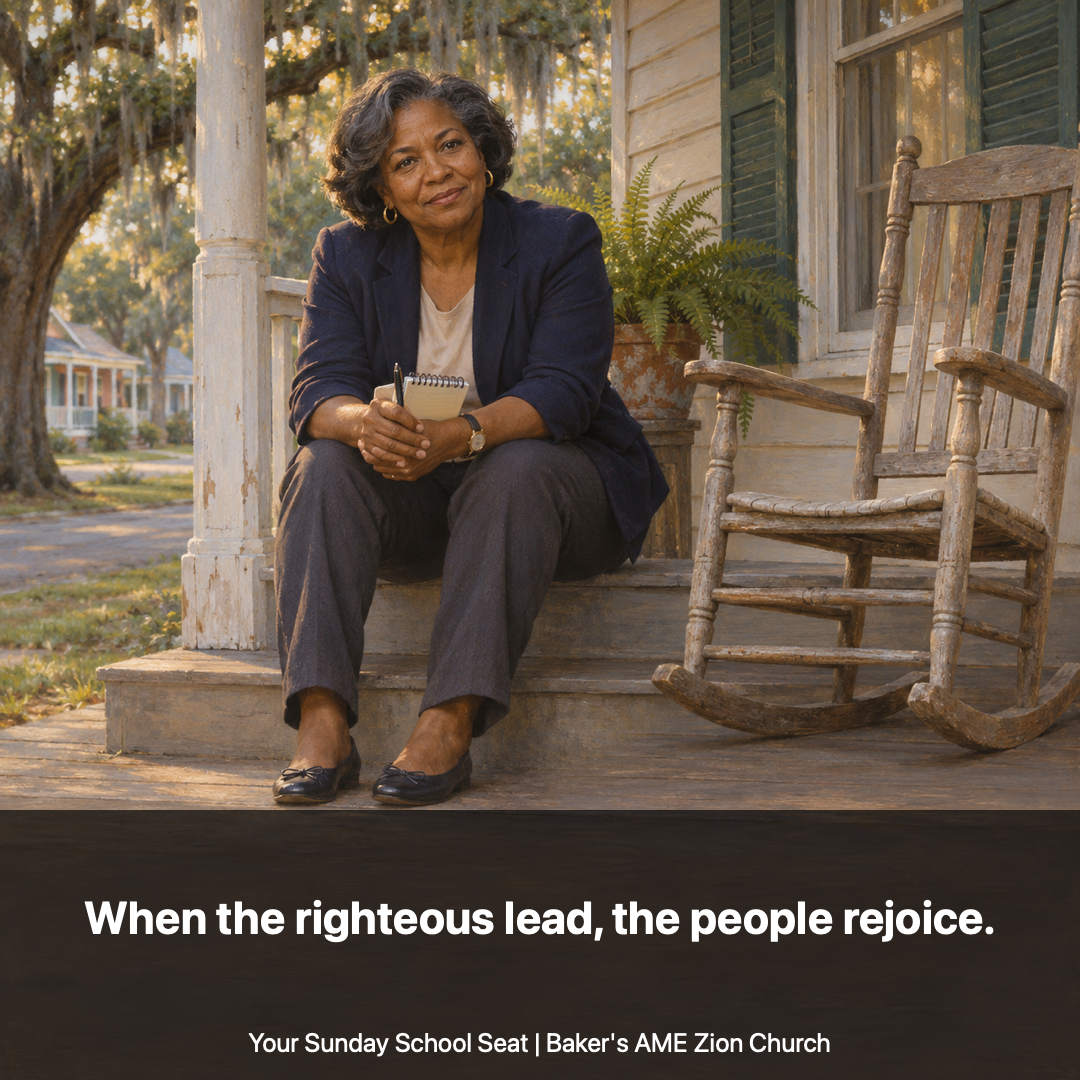
You can usually feel what kind of boss somebody is before they say a word. Walk into the break room and watch people's shoulders. Proverbs noticed the same thing about kings.
Proverbs 29:1-14 — KJV
1 He, that being often reproved hardeneth his neck, shall suddenly be destroyed, and that without remedy. 2 When the righteous are in authority, the people rejoice: but when the wicked beareth rule, the people mourn. 3 Whoso loveth wisdom rejoiceth his father: but he that keepeth company with harlots spendeth his substance. 4 The king by judgment establisheth the land: but he that receiveth gifts overthroweth it. 5 A man that flattereth his neighbour spreadeth a net for his feet. 6 In the transgression of an evil man there is a snare: but the righteous doth sing and rejoice. 7 The righteous considereth the cause of the poor: but the wicked regardeth not to know it. 8 Scornful men bring a city into a snare: but wise men turn away wrath. 9 If a wise man contendeth with a foolish man, whether he rage or laugh, there is no rest. 10 The bloodthirsty hate the upright: but the just seek his soul. 11 A fool uttereth all his mind: but a wise man keepeth it in till afterwards. 12 If a ruler hearken to lies, all his servants are wicked. 13 The poor and the deceitful man meet together: the LORD lighteneth both their eyes. 14 The king that faithfully judgeth the poor, his throne shall be established for ever.
Proverbs 29:1-14 — WEB
1 He who is often rebuked and stiffens his neck will be destroyed suddenly, with no remedy. 2 When the righteous thrive, the people rejoice; but when the wicked rule, the people groan. 3 Whoever loves wisdom brings joy to his father; but a companion of prostitutes squanders his wealth. 4 The king by justice makes the land stable, but he who takes bribes tears it down. 5 A man who flatters his neighbor spreads a net for his feet. 6 An evil man is snared by his sin, but the righteous can sing and be glad. 7 The righteous care about justice for the poor. The wicked aren’t concerned about knowledge. 8 Mockers stir up a city, but wise men turn away anger. 9 If a wise man goes to court with a foolish man, the fool rages or scoffs, and there is no peace. 10 The bloodthirsty hate a man of integrity; and they seek the life of the upright. 11 A fool vents all of his anger, but a wise man brings himself under control. 12 If a ruler listens to lies, all of his officials are wicked. 13 The poor man and the oppressor have this in common: Yahweh gives sight to the eyes of both. 14 The king who fairly judges the poor, his throne shall be established forever.
Explanation
Proverbs 29 belongs to a collection that King Hezekiah's scribes copied and preserved, about two hundred years after Solomon. Hezekiah was a king trying to bring Judah back to God, so it makes sense that his court treasured sayings about what good rulers look like. These proverbs are short and punchy, more like a string of pearls than one long argument, but one theme keeps showing up: leadership shapes the life of everybody underneath it.
Verse 2 says it plainly. When the righteous are in authority, the people rejoice. When the wicked rule, the people mourn. The WEB says they "groan." You can hear that groan in a workplace, a city, even a church. The mood of the people often tells you the character of the person at the top. Verse 4 says a just king makes the land stable, but one who takes bribes tears it down. Verse 12 cuts deepest: if a ruler listens to lies, all his officials become wicked. Leaders set the culture. If the boss rewards flattery, everybody learns to flatter, and verse 5 warns that flattery is a net.
Then verse 14 tells us what God is measuring: the king who faithfully judges the poor will have his throne established forever. Not the richest king. Not the tallest. The one who is fair to people who can't do anything for him. Verse 7 says the same thing another way. The righteous care about the cause of the poor. The wicked don't even want to know.
Sunday's lesson, "Samuel: A King Maker," picks up after Israel demanded a king "like all the nations." God gave them Saul, who looked the part. But Saul listened to the crowd more than to God, and on Thursday we'll watch God reject him. Then God sends Samuel to find a king of His own choosing. Proverbs 29 hands us the job description before we meet the candidates. God is looking for someone who will rule with justice, listen to the truth, and care for the poor.
Most of us aren't kings, but almost all of us have some authority: a household, a classroom, a crew at work, a ministry, a few younger cousins watching how we act. Proverbs asks us the same questions it asks a king. When you're in charge, do people breathe easier or tense up? Do you reward the people who tell you the truth, or the ones who tell you what you want to hear? How do you treat the person who has nothing to offer you?
This week, pray for the people who lead you. Then ask God to make your own leadership, however small, something the people around you can rejoice in.
Thought for the Day
When the righteous lead, the people rejoice.
Reflection Question
In the places where you have some authority, do the people around you rejoice or groan?
Prayer
Lord, You are the King above every king, and You care how the poor are treated. Bless the people who lead us with wisdom, honesty, and courage. Search our own hearts in the places where we have authority, at home, at work, and at church. Make us leaders who love truth more than flattery and who never forget the people with the least. In Jesus' name, amen.
This week we walk toward Sunday's lesson: Samuel: A King Maker.